
Most of us learn early to point our attention outward, at expectations, responsibilities and other people’s needs. We look inward mostly in a crisis, when discomfort becomes too loud to ignore. This chapter offers a kind of listening few of us were ever taught: listening to ourselves.
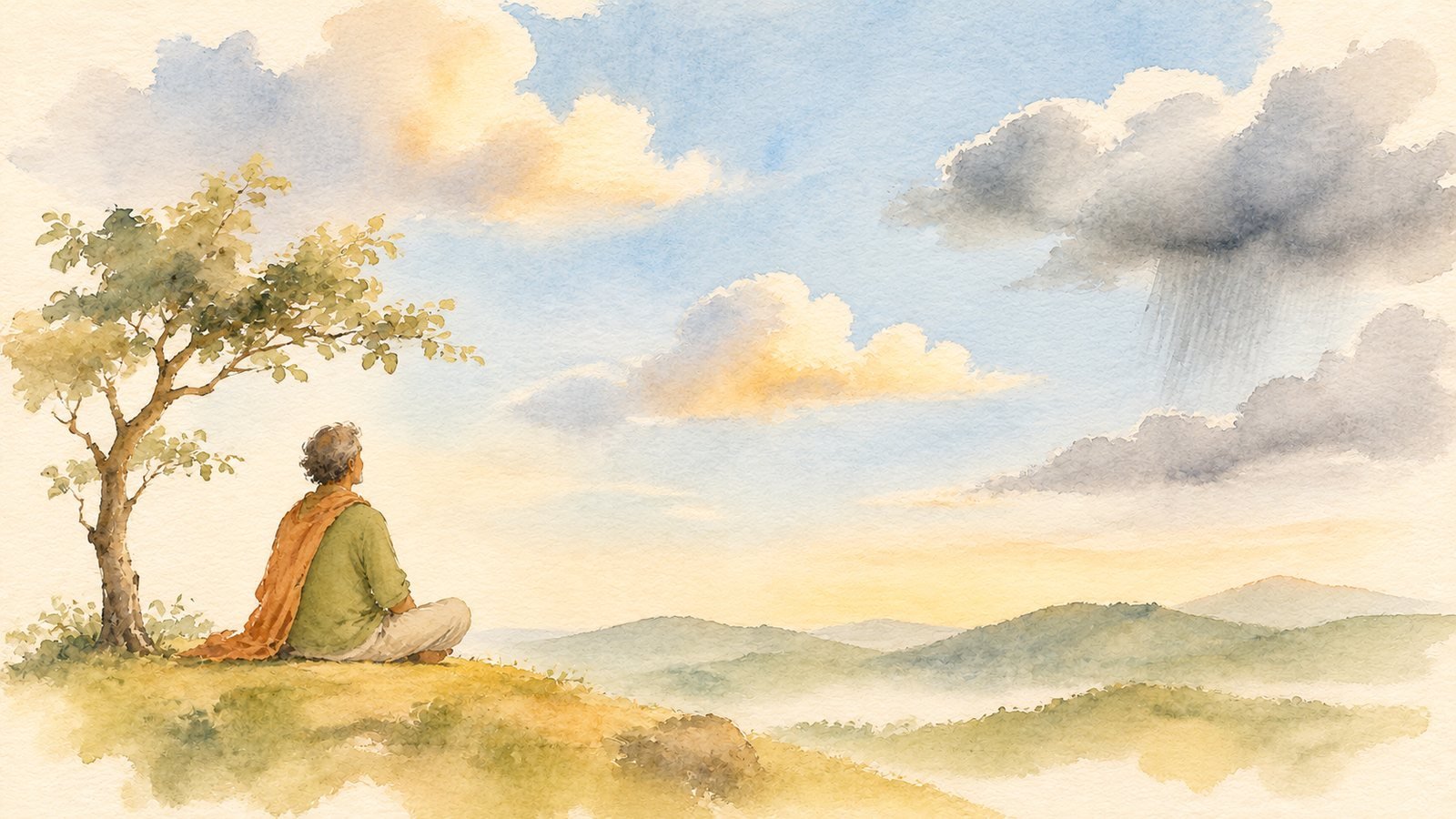
Patanjali’s pratyahara (YS II.54), the withdrawal of the senses, is usually taught as a step toward meditation. Here it is something more intimate. It isn’t shutting out the world but turning toward the one who is experiencing it.
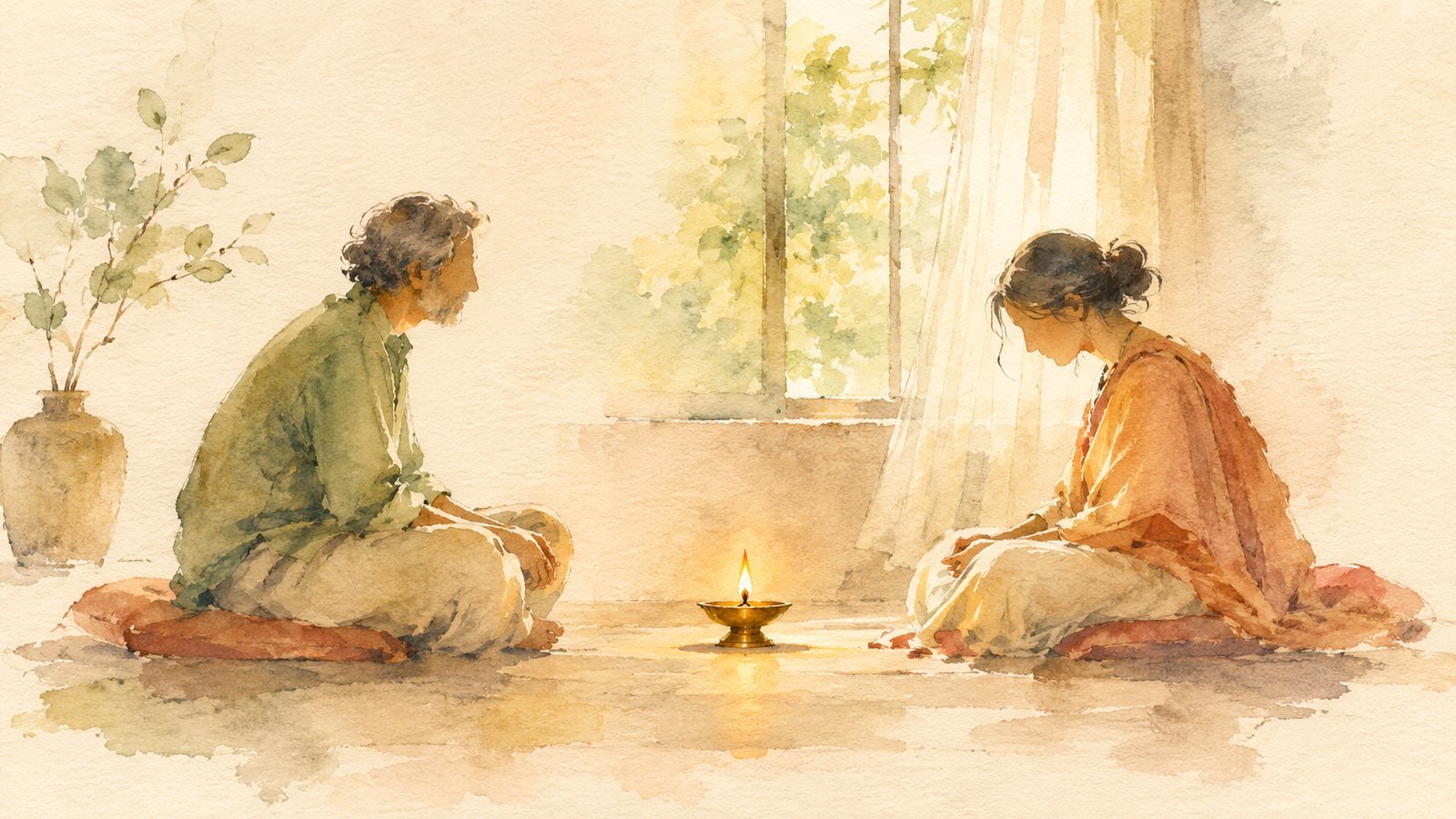
The chapter tells the story of a woman in a helping profession who was so exhausted she could no longer feel for the people she served. A supervisor suggested she spend fifteen minutes each morning simply asking how she was. It felt self-indulgent at first, but after a few weeks the dry well began to fill. In her words:
“I had forgotten that I was also a person who needed things.”
In NVC, self-empathy is foundational. Without contact with our own feelings and needs, we can only perform connection. Self-empathy isn’t self-absorption; it is the honest practice of checking in. Before a difficult conversation, it helps us stay present instead of reactive. Afterwards, it helps us process what happened in the body and heart before the mind starts building explanations.
The chapter speaks directly to those drawn to compassionate work, who are often skilled at caring for others and less practised at caring for themselves:
“Self-empathy is not a luxury. It is the source from which everything else flows.”
It ends with a simple invitation: take five minutes and ask yourself, What is alive in me right now? What do I need that I have not yet acknowledged?
“The path inward and the path toward one another are, perhaps, not two paths at all.”
The Yoga of Connection brings Patanjali’s Yoga Sutras and Nonviolent Communication together across 21 chapters. It is available worldwide on Amazon.